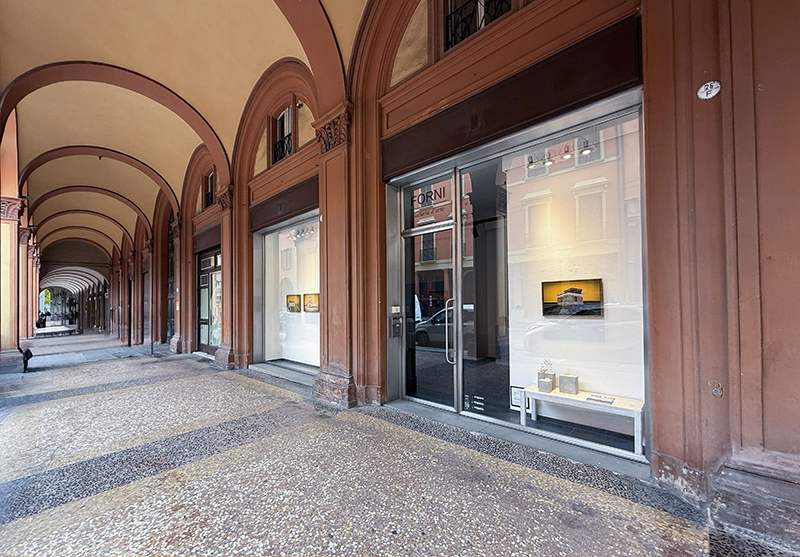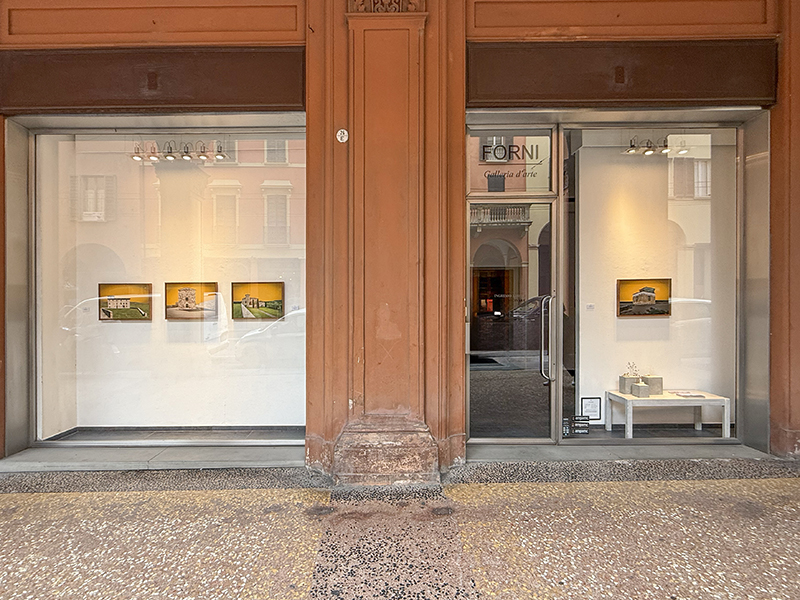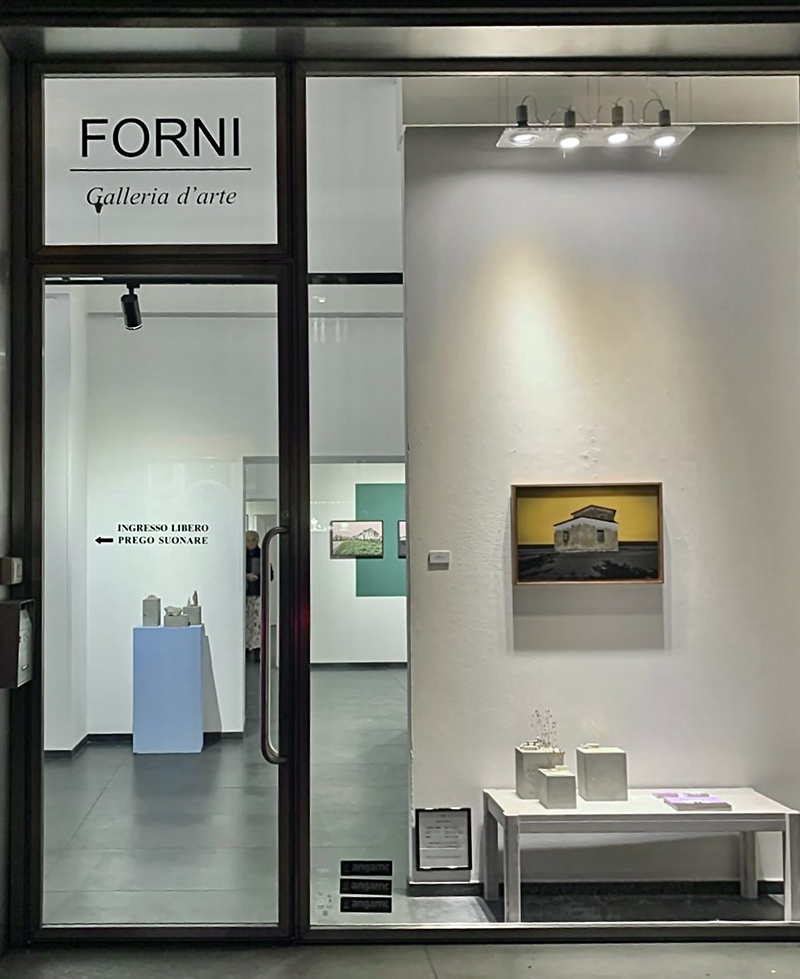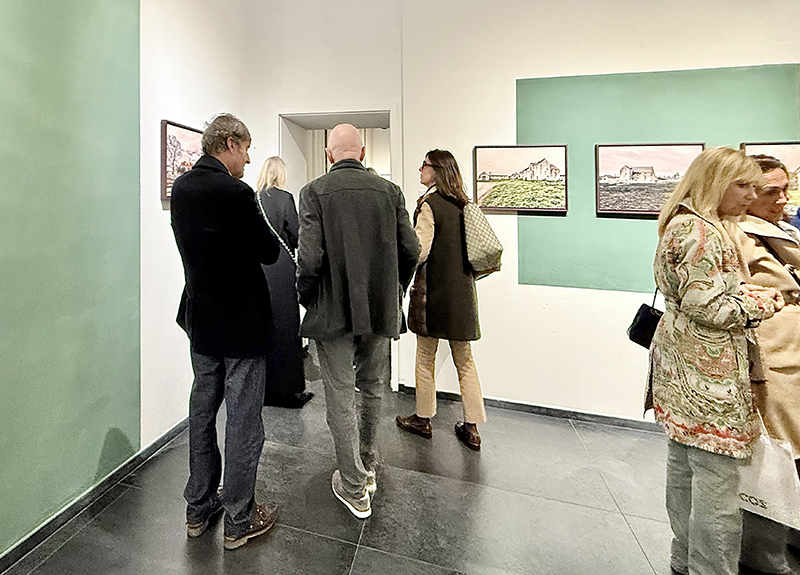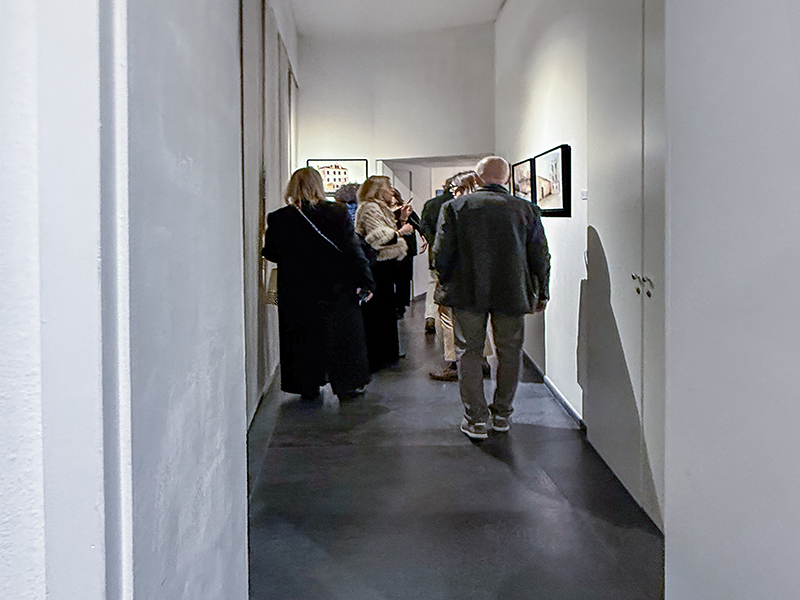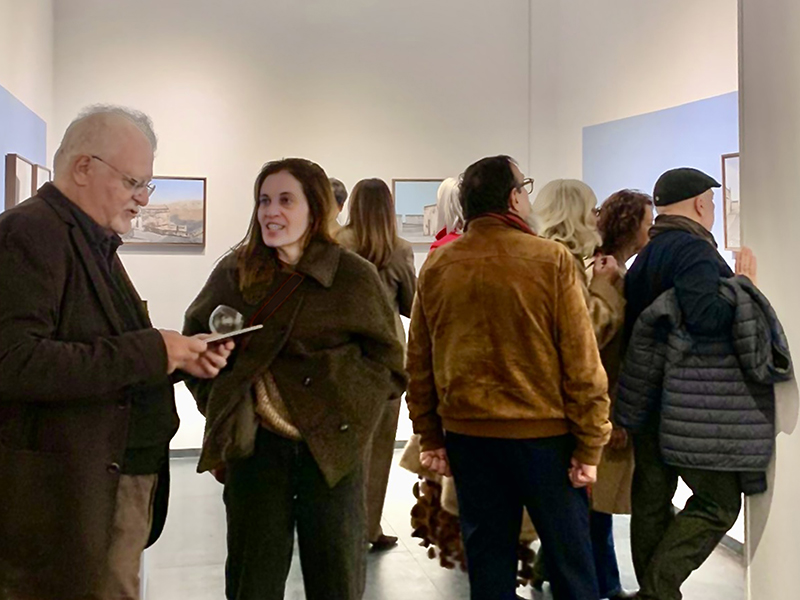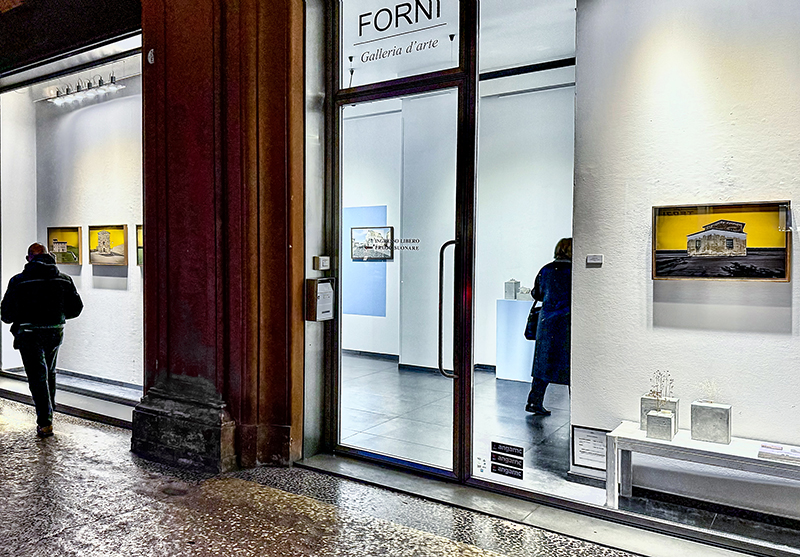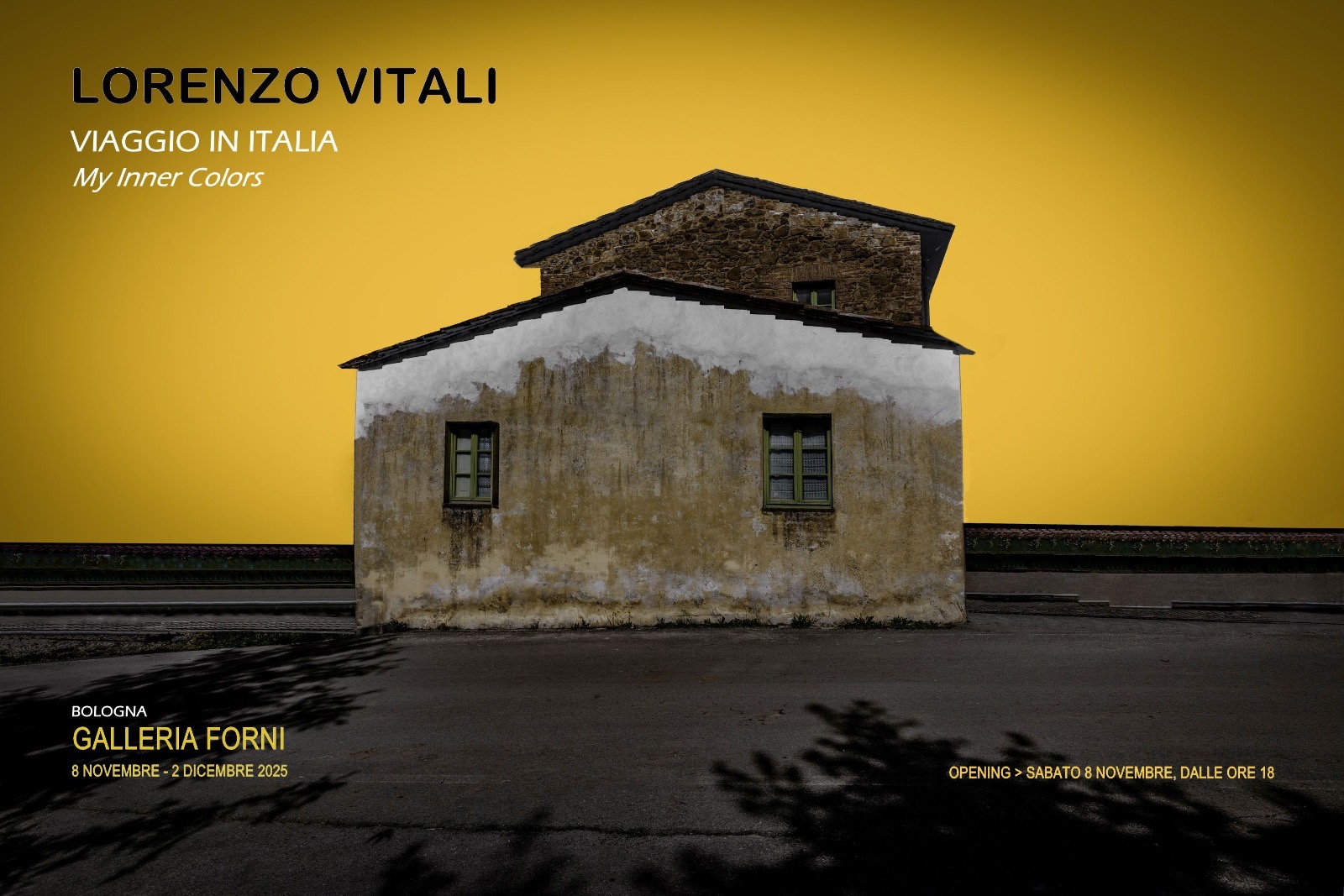
Dall’8 novembre al 2 dicembre 2025 presso la Galleria Forni di Bologna
From November 8th to December 2nd 2025 at the Forni Gallery in Bologna
Viaggio in Italia – My Inner Colors
Sono cinque i cicli fotografici presi in esame in occasione di questa mostra personale di Lorenzo
Vitali alla Galleria Forni, realizzati in diverse località italiane: The Ascent a Matera, Stone Tales in Valle
d’Itria, Vanishing Venice a Venezia, They have gone nel basso Piave, Yellow gaze nel Chianti.
Il linguaggio fotografico potrebbe definirsi “illustrativo”, tanto che l’obiettivo della fotocamera di Vitali
sembra percorrere con lentezza la campagna o i centri urbani catturando quell’atmosfera incantata
che si riconnette direttamente ad un magico mondo antico, in alcuni casi arcaico, dando vita ad un
immaginario fuori dal tempo. Il punto di ripresa determina l’inquadratura, focalizzando l’attenzione
ora sul terreno, la pavimentazione, ora sulle architetture o più raramente, sulla vegetazione. Sempre
sotto un grande cielo dominante, spesso rappresentato da ampie campiture uniformi, realizzate in
post-produzione.
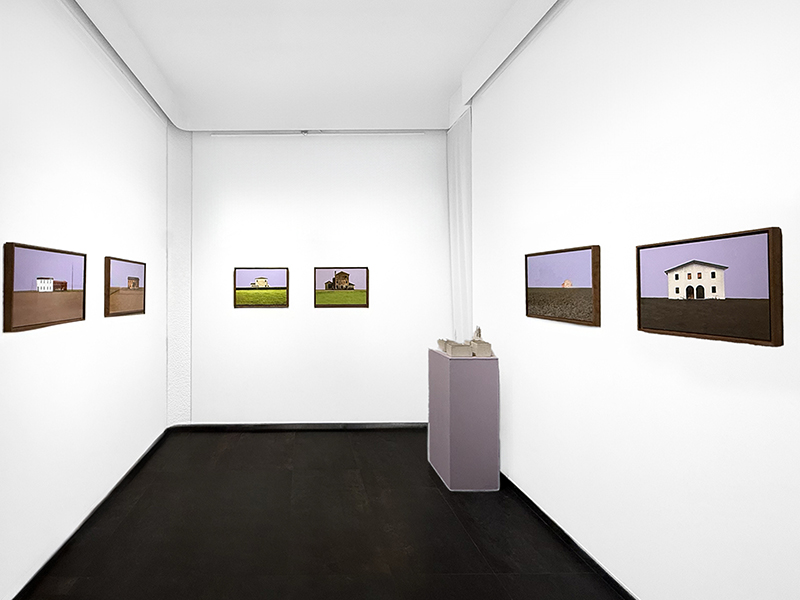
Ciascuna serie è contraddistinta da un colore. L’aspetto cromatico gioca in effetti un ruolo
fondamentale nella ricerca artistica di Vitali, è l’espressione del mood che un determinato luogo
instilla nel suo animo, il suo “Inner Color”, come indica il sottotitolo della mostra e come Vitali stesso
ama definirlo, il suo “colore interiore”, che trova spesso nel cielo la nota più evidente.
In alcuni casi si tratta di un colore pantone, piatto, uniforme, saturo, in netto contrasto con i volumi e
i chiaroscuri del paesaggio rappresentato. In altri casi più trasparente, meno uniforme, rivela striature
di nubi e rifrazioni, ma in ogni caso sempre giocato su diversi toni di un unico colore.
Ciascuna serie presenta peculiarità che, insieme al cielo, concorrono a caratterizzare l’identità del
luogo. Gli elementi architettonici innanzitutto, quali tracce del passato, testimonianze dell’abilità
fisica e cognitiva del genere umano di progredire e di creare il proprio habitat.
Ciò che si mantiene costante nei diversi cicli è una persistente ricerca finalizzata a tradurre in
immagini il “senso” dei luoghi ripresi, ciò che più intimamente li caratterizza, il genius loci.
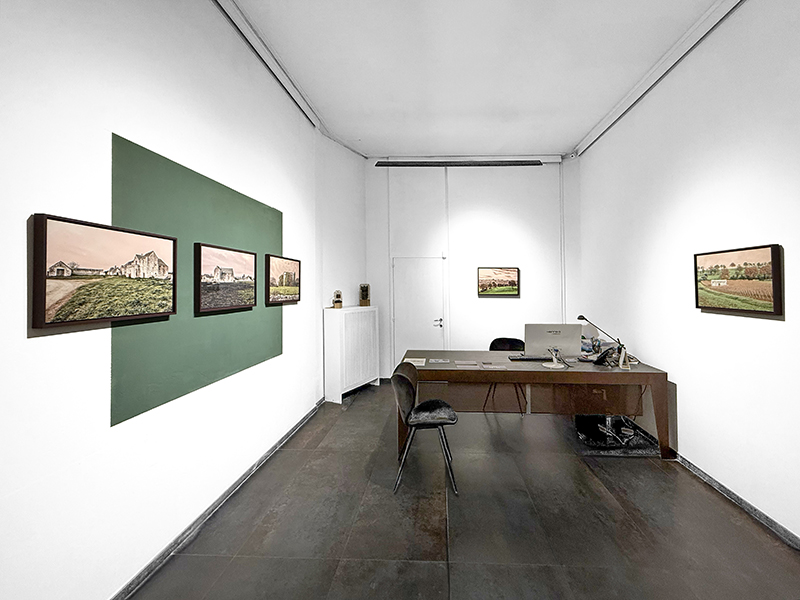
BASSO PIAVE – THEY HAVE GONE (2023) Paesaggi di pianura caratterizzati dalla presenza di un particolare
tipo di architettura, le case coloniche, che si diffusero come modello costruttivo fra il 1880 e il 1935 con la
funzione di fornire un’abitazione ai braccianti che lavoravano con contratti di mezzadria. Attraverso i suoi
scatti l’autore intende restituire nuova vita a questi edifici apparentemente “dimenticati”, cogliendone la
ritrosa poeticità. Vite passate s’intuiscono all’interno ed intorno a questi monumenti di una realtà
contadina, ormai estinta. Dinosauri di pietra marcano il territorio, quasi un monito a non scordare chi qui
ha gioito, sofferto e lavorato duramente e operosamente.
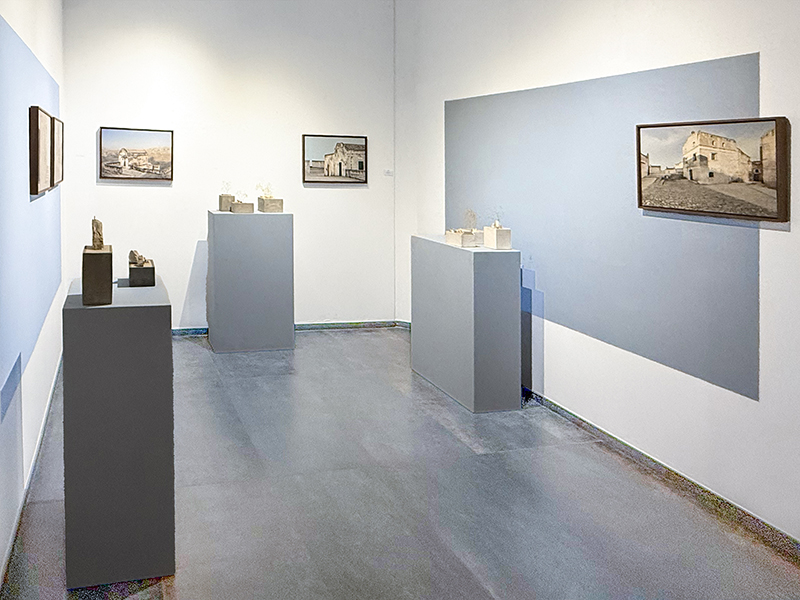
MATERA – THE ASCENT (l’ascesa) (2021)
Immagini realizzate tra Sasso Caveoso e Sasso Barisano, due profonde depressioni a forma di cono
rovesciato che ospitano da tempi remoti strutture abitative. Dopo l’immersione nelle profondità dei Sassi,
risalirne significa ritrovare la luce e percepire gli spazi in maniera differente, più ampi di quanto essi siano
realmente. Il lungo percorso di risalita, disseminato di piccoli slarghi e vicoli, offre alla vista scenari
sorprendenti: affacci improvvisi, luci accecanti, ombre imponenti, suggestivi scorci. Ovunque si percepisce
la matericità del tufo.
CHIANTI – YELLOW GAZE (2025)
Sotto un cielo assolato, tra le colline che contornano i borghi di Gaiole e Radda, i filari di viti si alternano
ai querceti e all’onnipresente cipresso, tra luci calde ed accoglienti e aperture di cielo improvvise. Le
tipiche case coloniche appaiono, sorprendendoci, dietro una curva o in cima ad una collina. Questi solidi
edifici sono spesso caratterizzati da una torretta colombaia ed iniziarono dal XIII secolo a connotare
sempre più il paesaggio di queste zone. Sono testimonianza secolare della mezzadria ma, a differenza di
quanto accaduto in altre regioni, mantengono tuttora una funzione abitativa che le preserva dal
degrado.
VALLE D’ITRIA – STONE TALES (2025)
Realizzato in quella depressione carsica che si estende tra le province di Bari, Brindisi e Taranto, il progetto
mostra in una dimensione fiabesca la sopravvivenza di siti abitativi molto antichi che rivivono con
prepotenza nel paesaggio e nel presente. I complessi di trulli, costruiti con pietra locale e risalenti al
Medioevo si installano su antichissimi insediamenti umani e ricordano le forme delle tombe preistoriche. Le
masserie, per lo più sei-settecentesche, si caratterizzano nel paesaggio per semplicità delle forme, per
imponenza dei volumi e per il biancore accecante dell’intonaco o della pietra cruda, che costituisce
il leitmotiv di molte immagini.
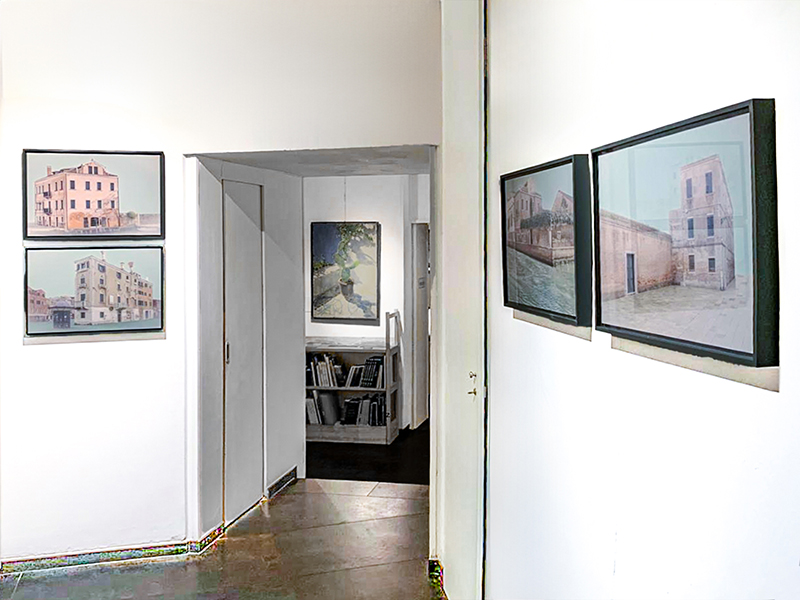
VENEZIA – VANISHING VENICE (2024)
Nelle architetture di questa seducente città convivono stili diversi: bizantino, gotico, rinascimentale,
barocco. Un’atmosfera nebbiosa definisce come l’identità stilistica originaria sfumi in altre forme attraverso
una stratificazione architettonica additiva, trasfigurando i lineamenti delle architetture e definendo nuove
identità. Antichi palazzi o case modeste convivono in un unico insieme armonico e vitale. Il linguaggio
fotografico suggerisce una visione incantata, fluida, e sfumata che ci porta quasi nell’irrealtà. In questa
irripetibile città, i luoghi e le prospettive sembrano infiniti e sempre diversi, eppure percorrendola si ha la
sensazione di non poter essere altrove che a Venezia.
Viaggio in Italia – My Inner Colors
Five photographic cycles are examined for this solo exhibition by Lorenzo
Vitali at the Galleria Forni, taken in various Italian locations: The Ascent in Matera, Stone Tales in the Itria Valley, Vanishing Venice in Venice, They Have Gone in the Lower Piave River, and Yellow Gaze in Chianti.
The photographic language could be defined as “illustrative,” so much so that Vitali’s camera lens seems to slowly traverse the countryside or urban centers, capturing that enchanted atmosphere that directly connects to a magical, ancient, in some cases archaic world, giving life to a timeless imagery. The shooting point determines the framing, focusing attention now on the ground, the pavement, now on the architecture, or more rarely, on the vegetation. Always under a large, dominant sky, often represented by large, uniform fields, created in post-production.
Each series is distinguished by a color. Chromaticity plays a fundamental role in Vitali’s artistic research; it is the expression of the mood that a particular place instills in his soul, his “Inner Color,” as the subtitle of the exhibition indicates and as Vitali himself likes to define it, his “inner color,” which often finds its most evident note in the sky.
In some cases, it is a Pantone color: flat, uniform, saturated, in stark contrast with the volumes and
chiaroscuro of the landscape depicted. In other cases, more transparent, less uniform, it reveals streaks
of clouds and refractions, but in any case, it always plays on different tones of a single color.
Each series presents peculiarities that, together with the sky, contribute to characterizing the identity of the
place. Architectural elements, first and foremost, as traces of the past, evidence of the human race’s physical and cognitive ability to progress and create its own habitat. What remains constant across the various cycles is a persistent quest to translate into images the “sense” of the places captured, what most intimately characterizes them, the genius loci.
BASSO PIAVE – THEY HAVE GONE (2023) Lowland landscapes characterized by the presence of a particular type of architecture, farmhouses, which spread as a building model between 1880 and 1935 with the function of providing housing for sharecropping laborers. Through his shots, the author intends to breathe new life into these apparently “forgotten” buildings, capturing their shy poetic nature. Past lives can be glimpsed within and around these monuments of a now extinct rural reality. Stone dinosaurs mark the territory, almost a warning not to forget those who rejoiced, suffered, and worked hard and industrious here.
MATERA – THE ASCENT (2021) Images taken between Sasso Caveoso and Sasso Barisano, two deep depressions shaped like inverted cones that have housed dwellings since ancient times. After diving into the depths of the Sassi, climbing back up means rediscovering the light and perceiving the spaces differently, larger than they really are. The long ascent route, dotted with small open spaces and alleys, offers surprising views: sudden views, blinding lights, imposing shadows, evocative glimpses. Everywhere you can perceive the materiality of the tuff.
CHIANTI – YELLOW GAZE (2025)
Under a sunny sky, among the hills surrounding the villages of Gaiole and Radda, the rows of vines alternate
with oak groves and the omnipresent cypress, amidst warm, welcoming lights and sudden openings of sky. The
typical farmhouses appear, surprising us, around a bend or on top of a hill. These solid
buildings are often characterised by a dovecote tower and began to increasingly characterise the landscape of these areas from the 13th century. They are a centuries-old testimony to sharecropping but, unlike what happened in other regions, they still maintain a residential function that preserves them from degradation.
ITRIA VALLEY – STONE TALES (2025) Built in the karst depression that extends between the provinces of Bari, Brindisi and Taranto, the project shows in a fairy-tale dimension the survival of very ancient settlements that live forcefully in the landscape and in the present. The trulli complexes, built with local stone and dating back to the Middle Ages, are installed on ancient human settlements and recall the shapes of prehistoric tombs. The masserie, mostly from the 17th and 18th centuries, are characterised in the landscape by the simplicity of their forms, the imposing volumes and the blinding whiteness of the plaster or raw stone, which constitutes the leitmotif of many images.
VENICE – VANISHING VENICE (2024)
Different styles coexist in the architecture of this seductive city: Byzantine, Gothic, Renaissance,
Baroque. A hazy atmosphere defines how the original stylistic identity fades into other forms through
an additive architectural stratification, transfiguring the architectural features and defining new identities. Ancient palaces or modest houses coexist in a single, harmonious and vital whole. The photographic
language suggests an enchanted, fluid, and nuanced vision that almost transports us to unreality. In this
unique city, the places and perspectives seem infinite and ever-changing, yet walking through it one has the
sensation of being nowhere else but Venice.