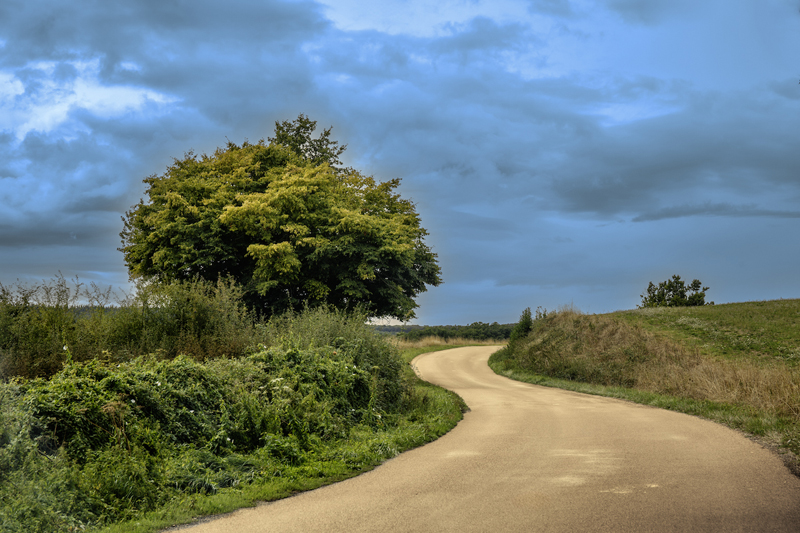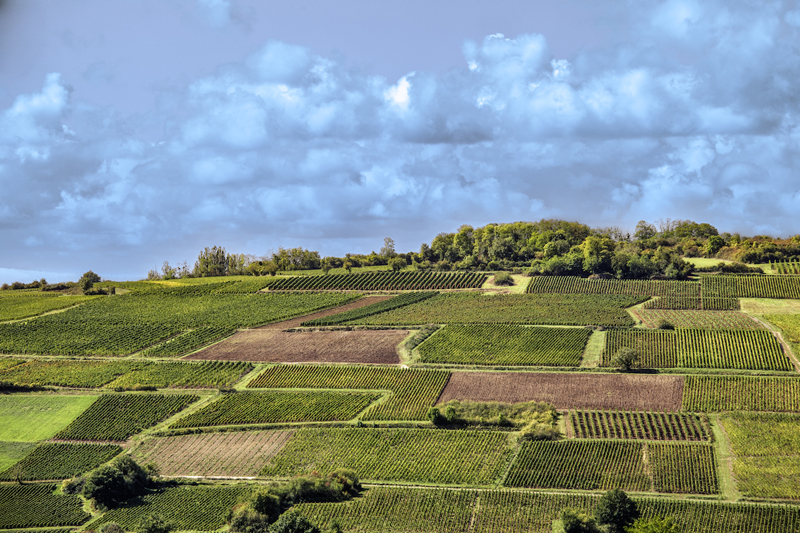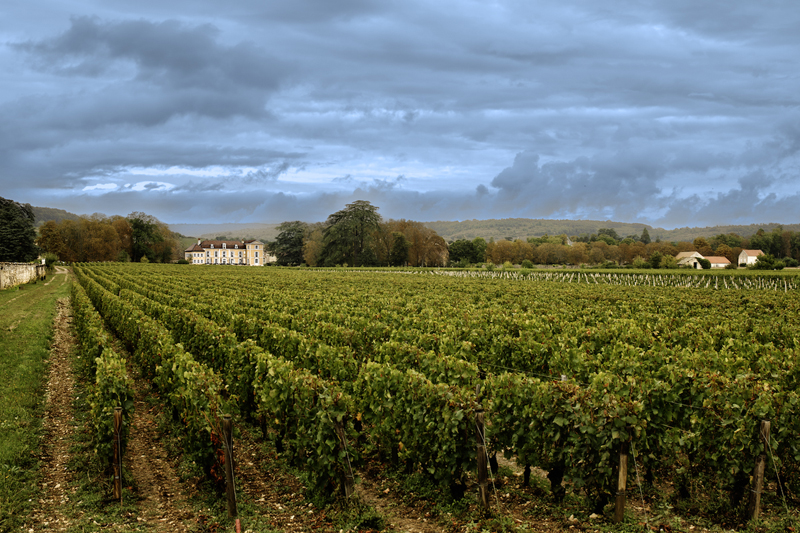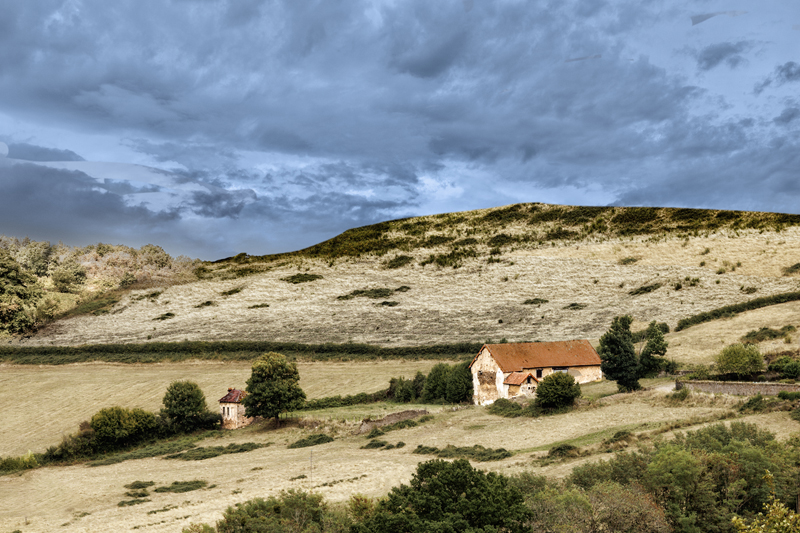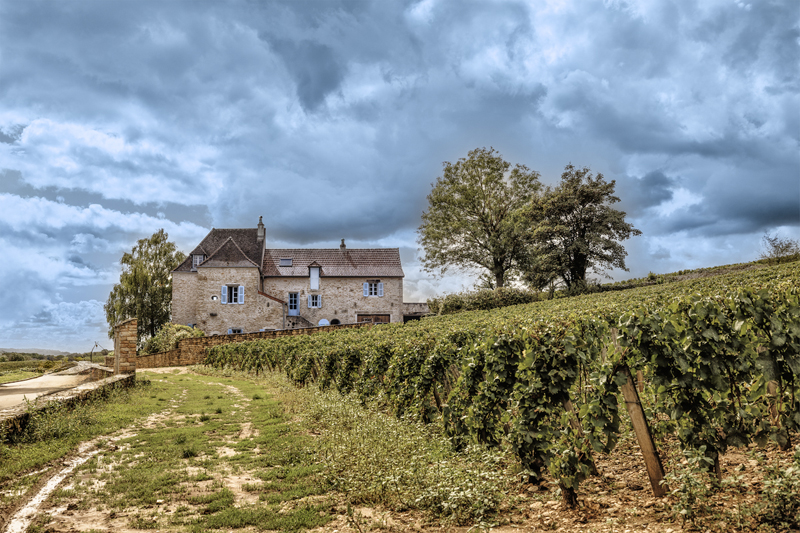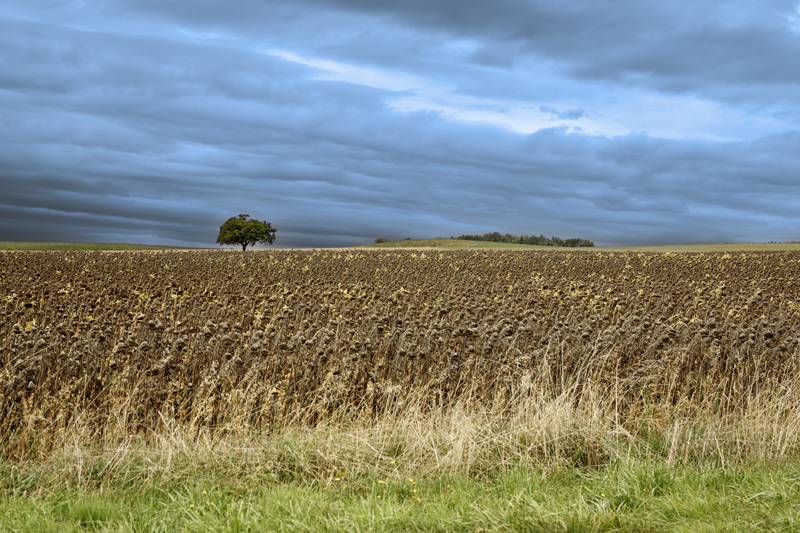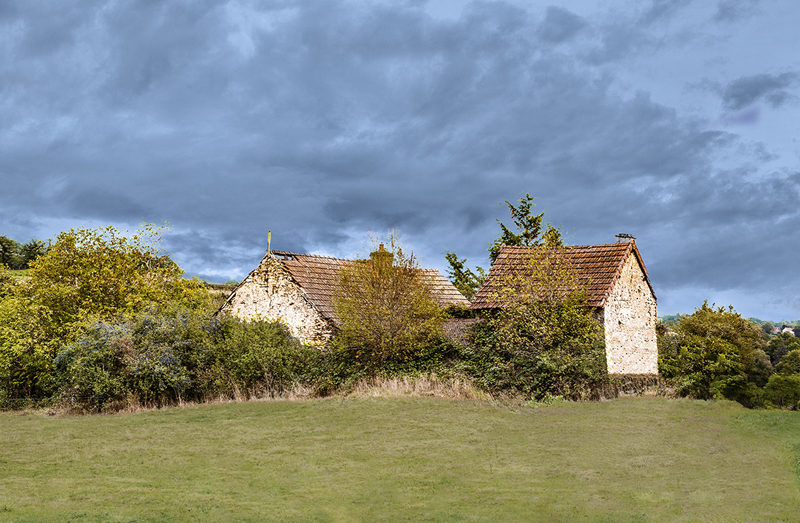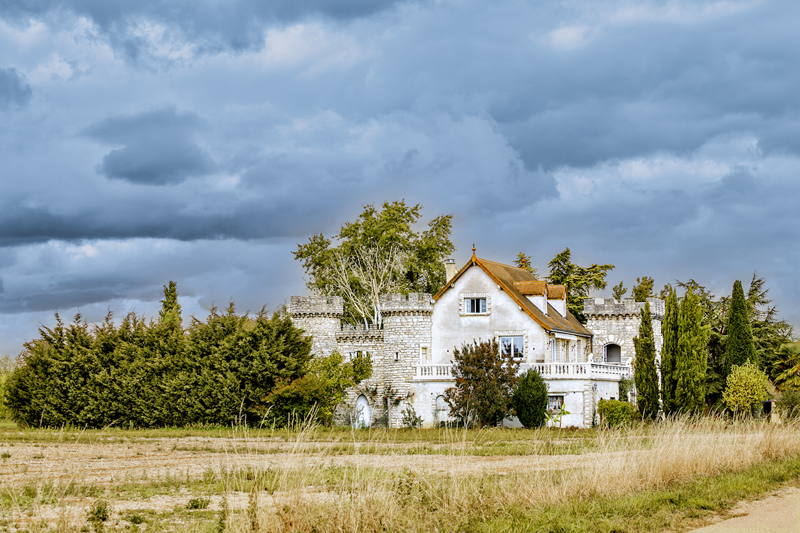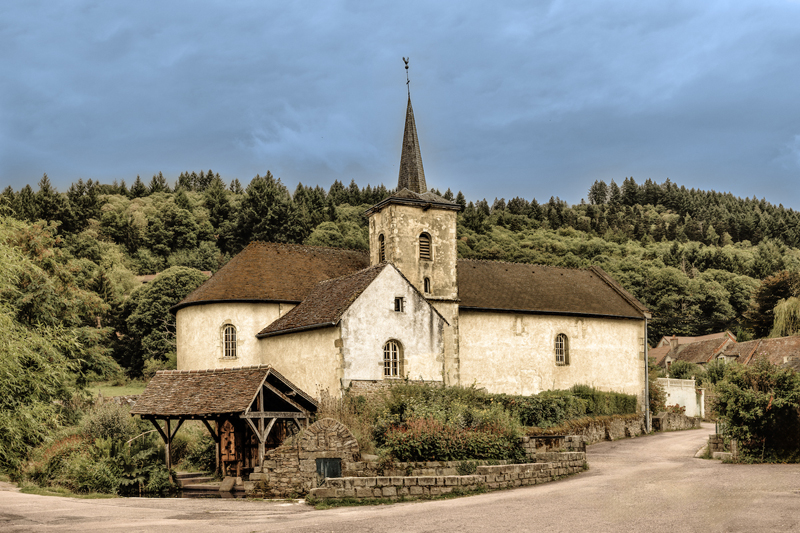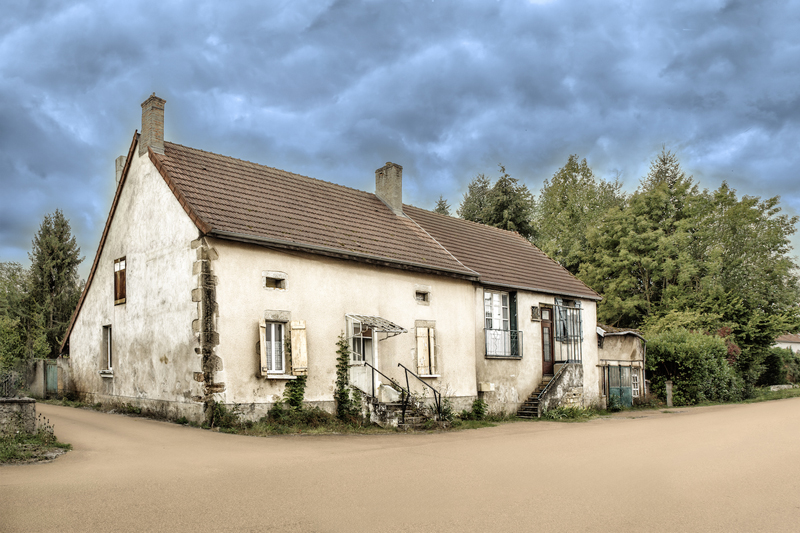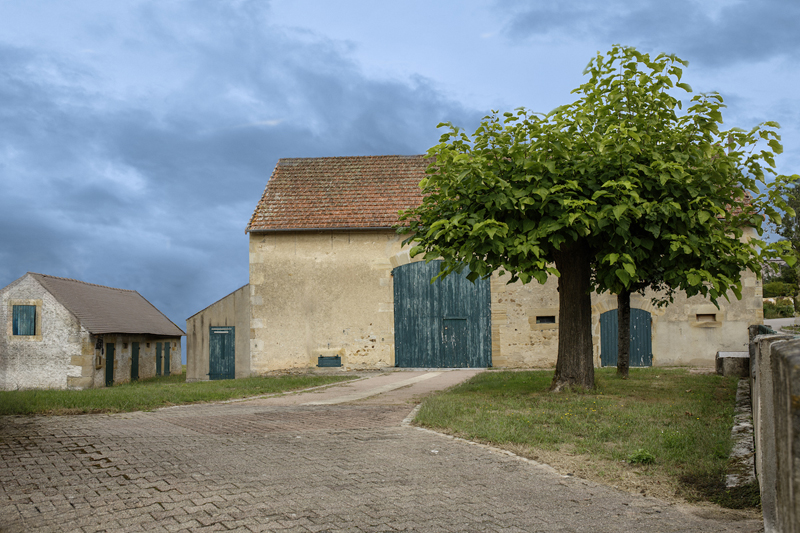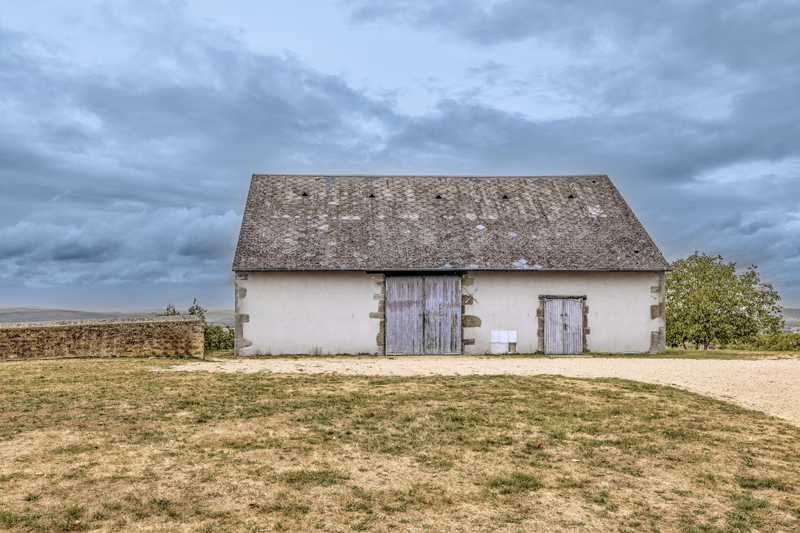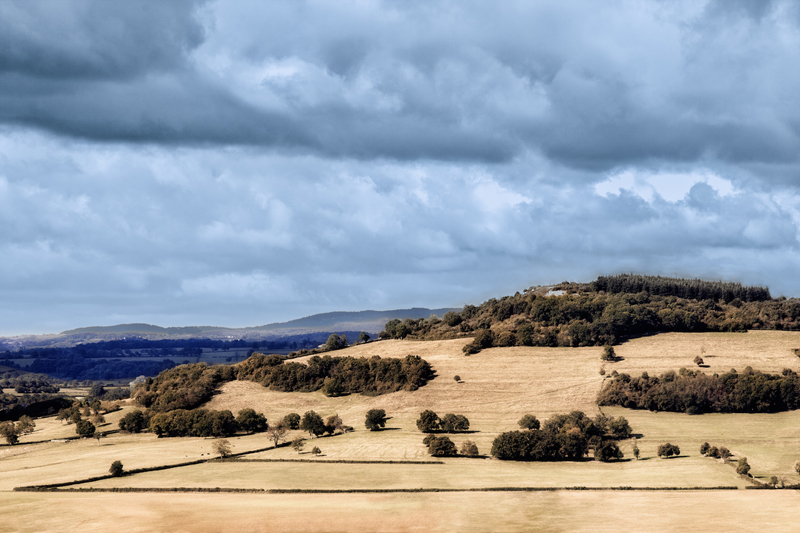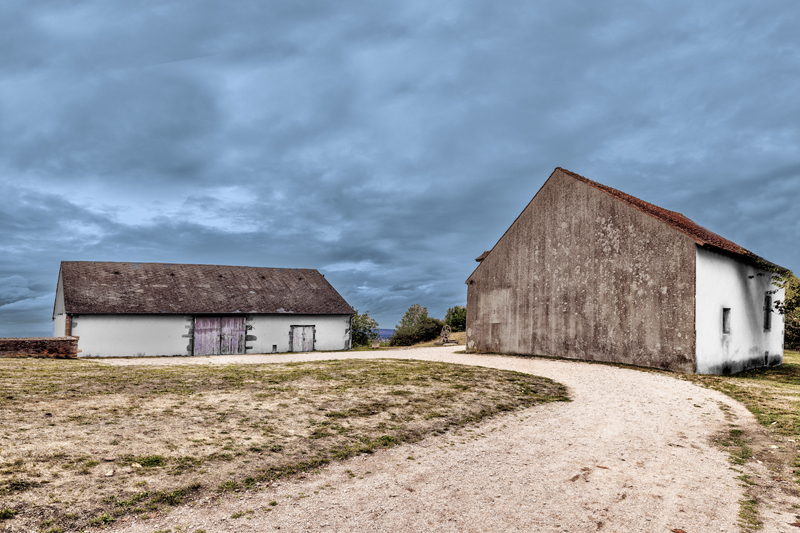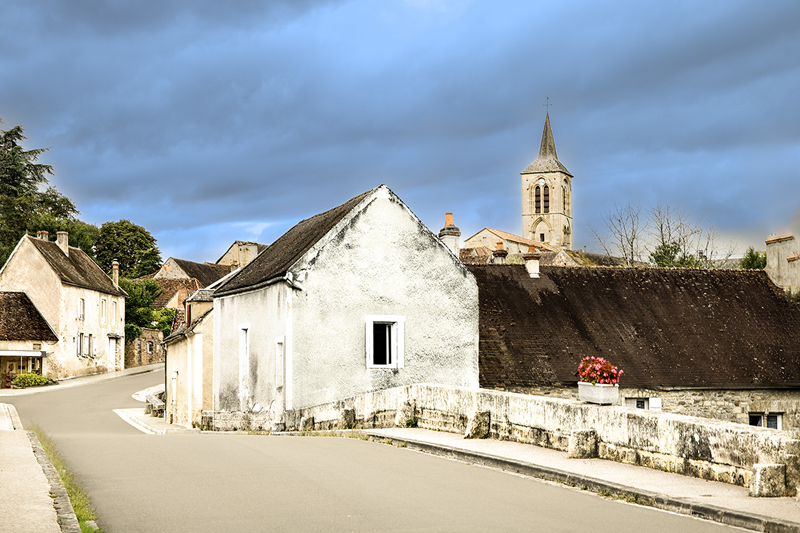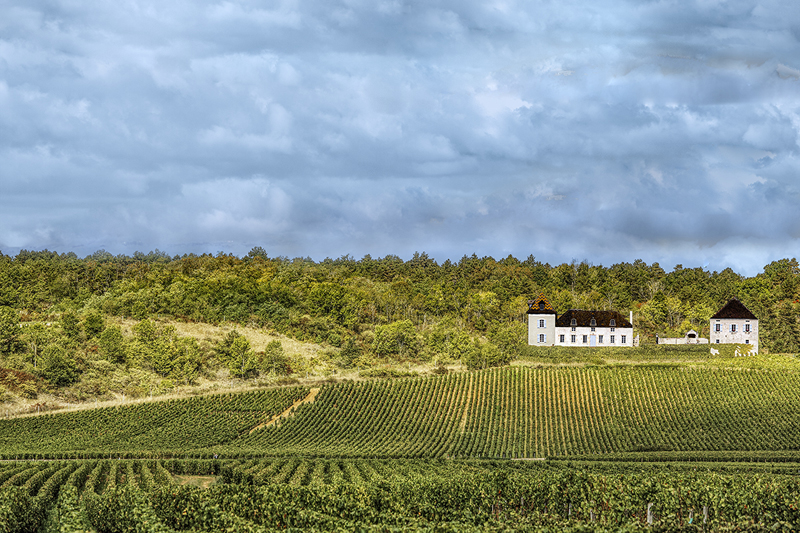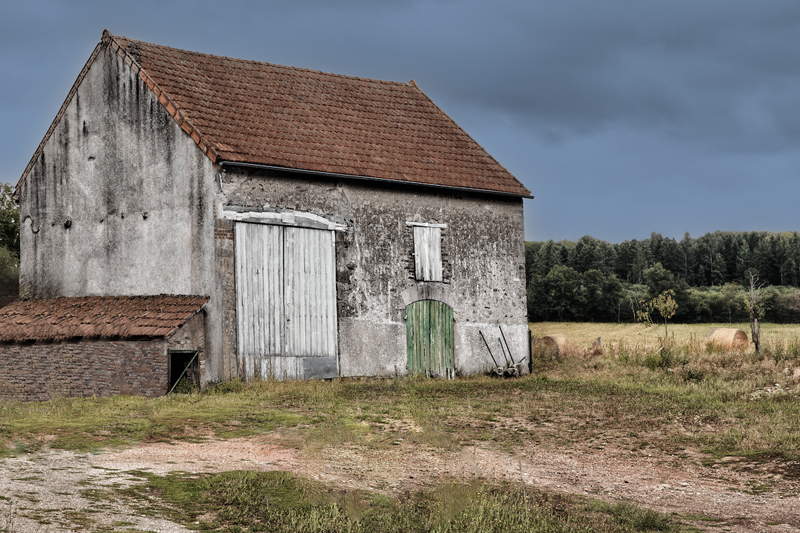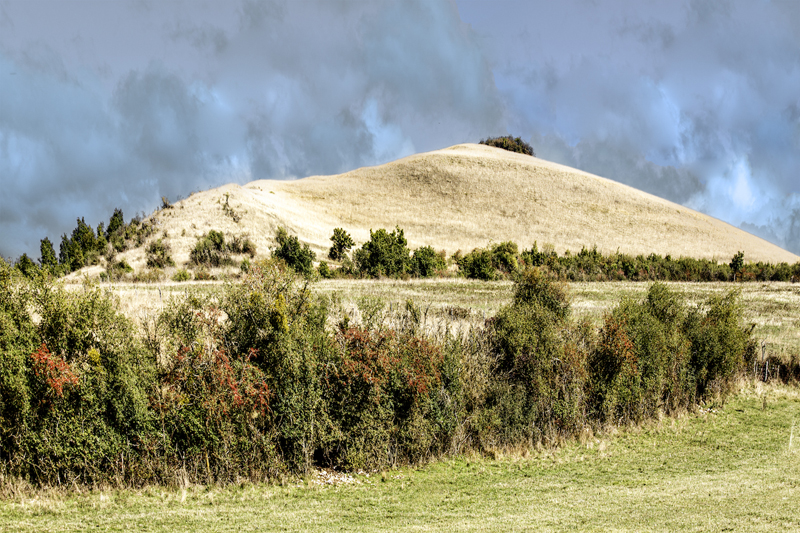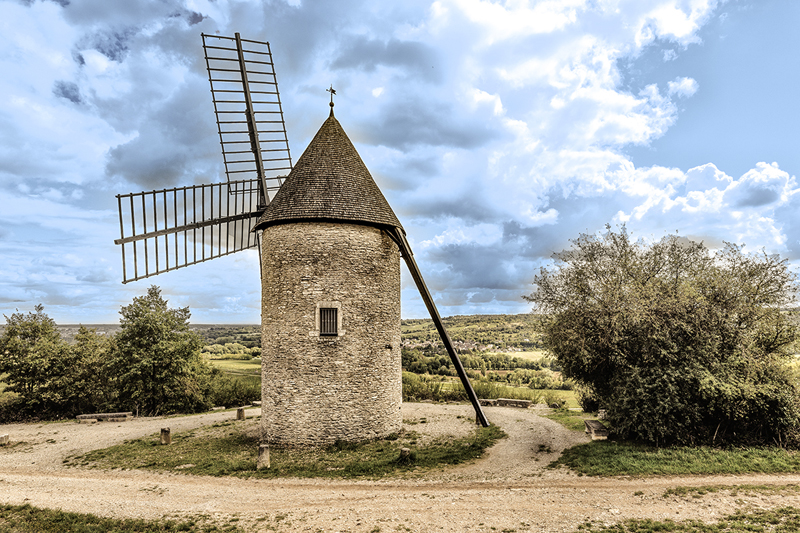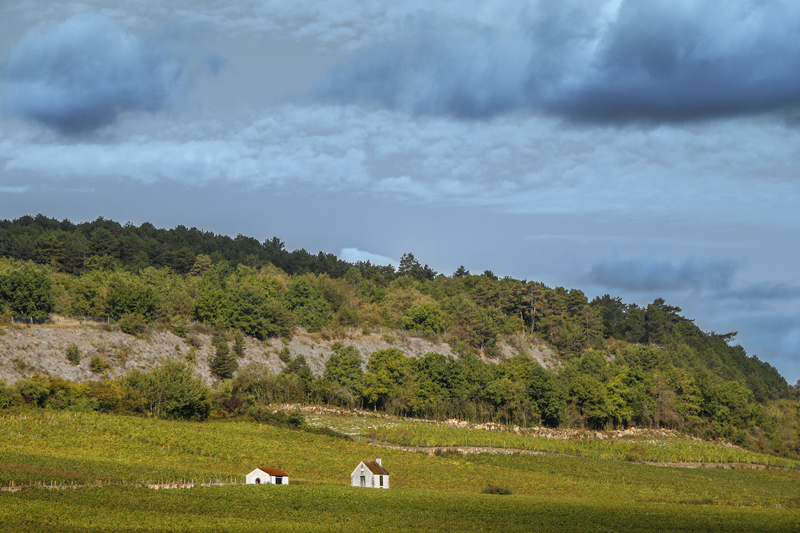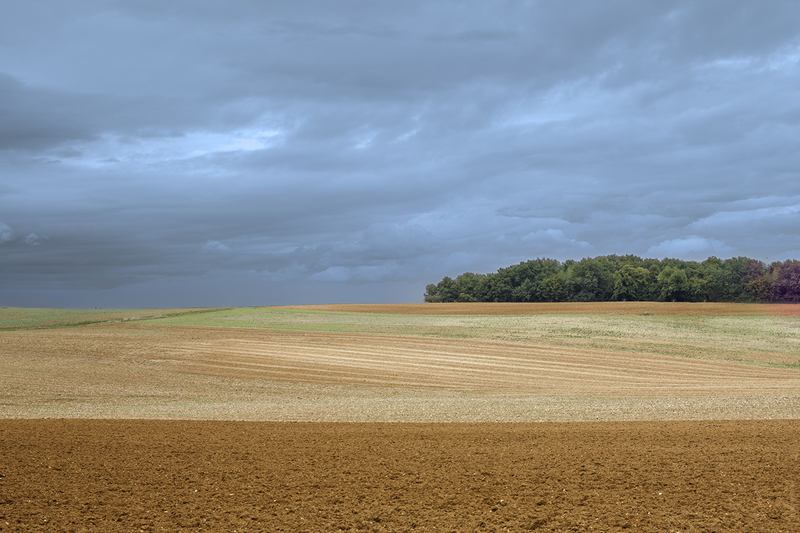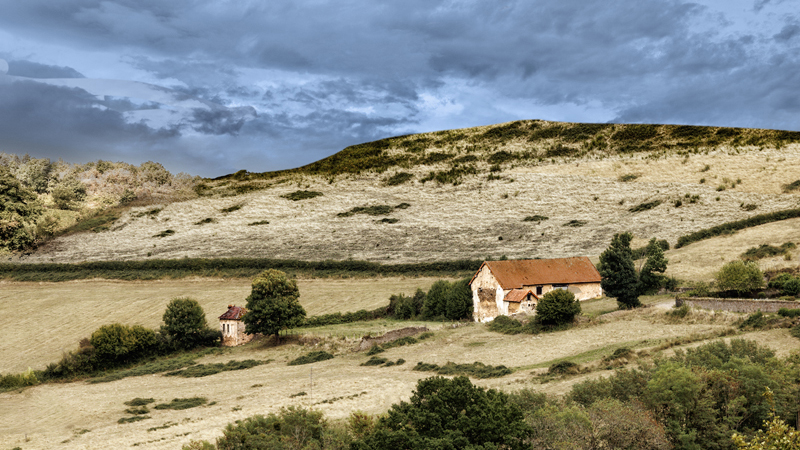
Percorrere i circa 60 km della Route des Grands Crus in Borgogna, piccolo territorio francese Patrimonio Unesco, da Dijon a Nuits-St-Georges e da Beaune a Santenay significa entrare profondamente in contatto con la terra del vino e i suoi vitigni: chablis, a nord est, chardonnay e pinot noir in Côte d’Or e Côte de Nuit. Si tratta di un percorso e di una realtà sensoriale che vanno vissuti, come affermò Alex Langer, lentius, profundius, suavius (più lento, più profondo, più dolce). I paesaggi rurali che si susseguono sono verdi e morbide colline, piccoli borghi medievali, muretti a secco, vigne che si perdono in una perfetta geometria di filari. Sparse nella campagna le case coloniche, caratterizzate da materiali come pietra e legno, presentano muri spessi, travi a vista e strutture a graticcio. Le immagini raccontano questo intenso viaggio.
Traveling the approximately 60 km of the Route des Grands Crus in Burgundy, a small French territory listed as a UNESCO World Heritage Site, from Dijon to Nuits-St-Georges and from Beaune to Santenay means entering deeply into contact with the land of wine and its grape varieties: Chablis in the northeast, Chardonnay and Pinot Noir in the Côte d’Or and Côte de Nuit. It is a journey and a sensorial experience to be experienced, as Alex Langer once said, lentius, profundius, suavius (slower, deeper, sweeter). The unfolding rural landscapes are green and rolling hills, small medieval villages, dry stone walls, and vineyards stretching in a perfect geometric pattern. Scattered across the countryside are farmhouses, characterized by materials such as stone and wood, featuring thick walls, exposed beams, and half-timbered structures. The images tell the story of this intense journey.